Raised access flooring systems provide a flexible solution for modern buildings by creating an elevated floor space that allows cables, air distribution systems, and mechanical services to run beneath the floor surface.
Daar Libya supplies and installs high-performance raised floor systems designed for offices, data centers, control rooms, and technology environments where accessibility, durability, and load capacity are critical.
about raised access floor
Smart Access. Clean Finish. Flexible Performance.
Raised floor systems provide a practical and modern flooring solution for spaces that require easy access to services beneath the floor surface. By creating an elevated floor void, these systems allow routing for electrical wiring, data cables, HVAC services, and other building utilities while maintaining a clean, professional appearance.
Whether used in offices, control rooms, data centers, commercial buildings, or technical facilities, raised floors deliver flexibility, accessibility, and long-term efficiency.
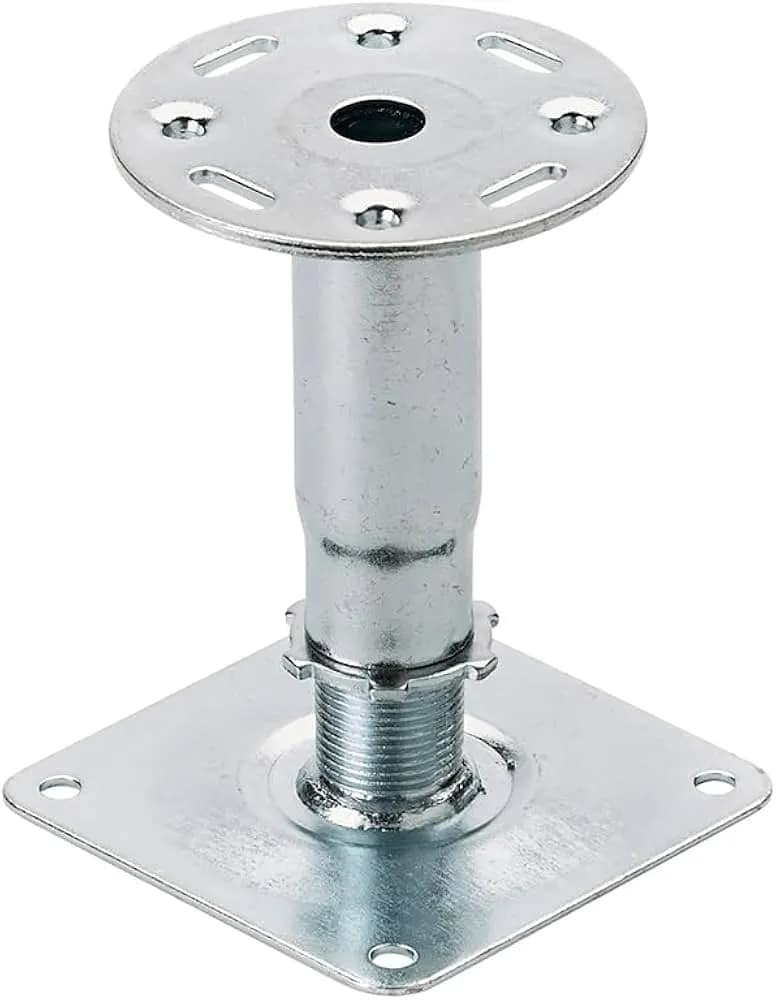
Adjustable steel pedestals support the raised floor panels and allow precise leveling of the system across the floor surface.
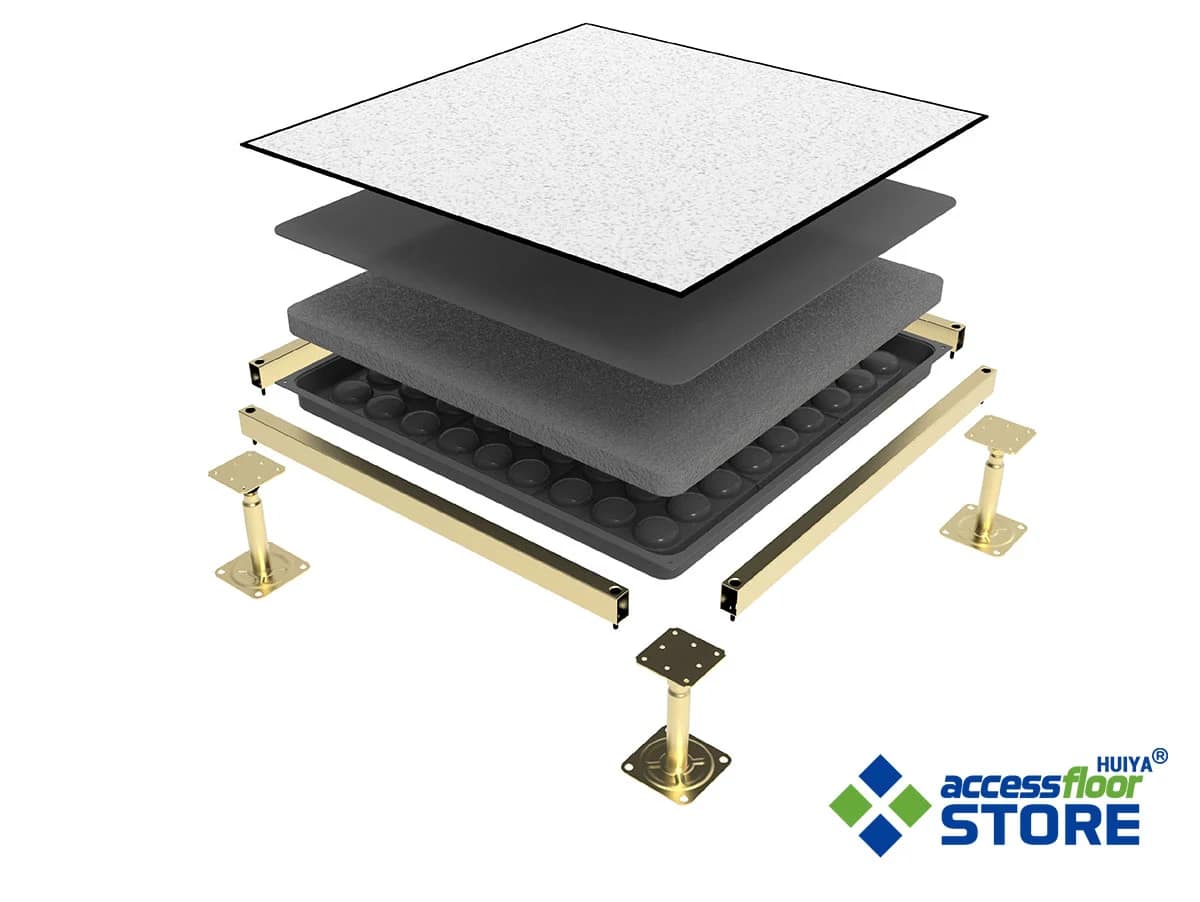
Floor Panels
Modular panels typically sized 600×600 mm provide the walking surface and can be finished with materials such as HPL, carpet, or vinyl.
Stringers
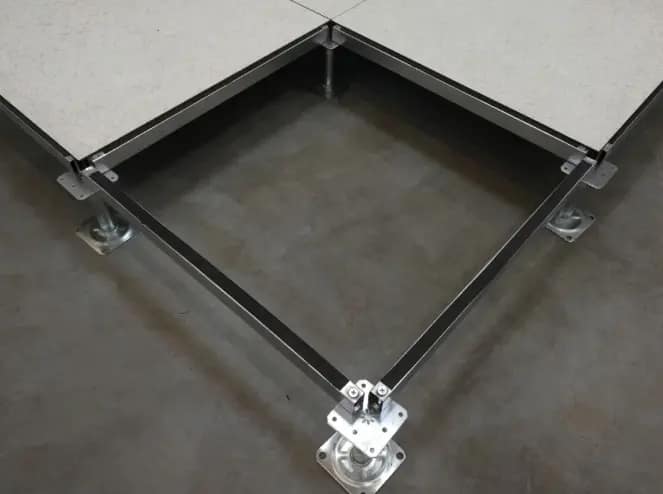
Horizontal steel supports connect the pedestals and increase the system’s stability and load capacity.
Adjustable Pedestal
Adjustable pedestals are the vertical support structure
Support Grid (Stringers)
horizontal metal bars that connect pedestals together
Modular Floor Panels
Floor panels are the visible walking surface of the system.
Surface Finishes
applied on top of raised floor panels to provide aesthetics
Raised floor systems
raised floor are a practical and modern solution for spaces that require concealed services and flexible access. Built using removable panels supported by adjustable pedestals, these systems create an underfloor void that can house electrical cables, data lines, air distribution, and other building services. Raised floors are ideal for offices, data centers, control rooms, and commercial environments where clean design, easy maintenance, and future adaptability are essential. it can be installed with daar libya
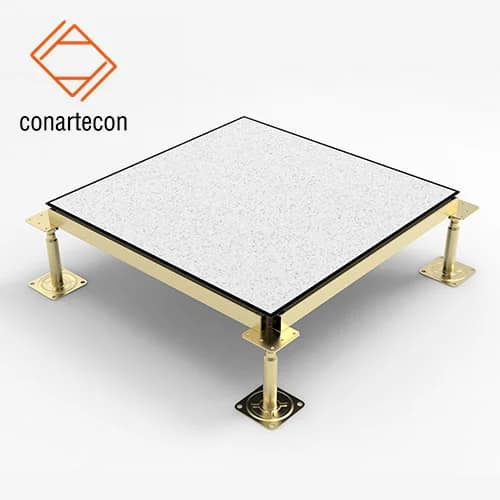
A raised floor system consists of modular floor panels supported by adjustable steel pedestals. The system creates an empty void between the structural slab and the finished floor surface.
This hidden space allows building services such as:
Power cables
Data and communication lines
Air distribution systems
Plumbing or mechanical services
Key advanatge
Cable Management
Raised floors allow electrical and data cables to be routed beneath the floor surface, keeping workspaces organized and accessible.
Improved Airflow
The space below the floor can be used to distribute conditioned air efficiently in offices and data centers.
Easy Maintenance
Removable panels allow quick access to building services for maintenance and upgrades.
Flexible Design
Raised floors make it easy to modify layouts as technology and equipment change.
Organized Underfloor Wiring
Easy Maintenance
Improved Airflow
High Load Capacity
Why Choose Daar Libya Raised Floor Systems
Daar Libya provides complete raised access flooring solutions including design consultation, product supply, and professional installation. Our raised floor systems are designed to support modern building infrastructure including electrical cabling, data networks, and HVAC systems.
Our team works closely with architects, engineers, and contractors to deliver durable flooring systems suitable for offices, data centers, and technology environments.
daar libya raised floor system would integrate with daar libya doors and flooring
our services
supply and installation
floor leveling & support
integration with MEP System
OnGoining Mentinance
Applications of Raised Floor Systems
Data Centers
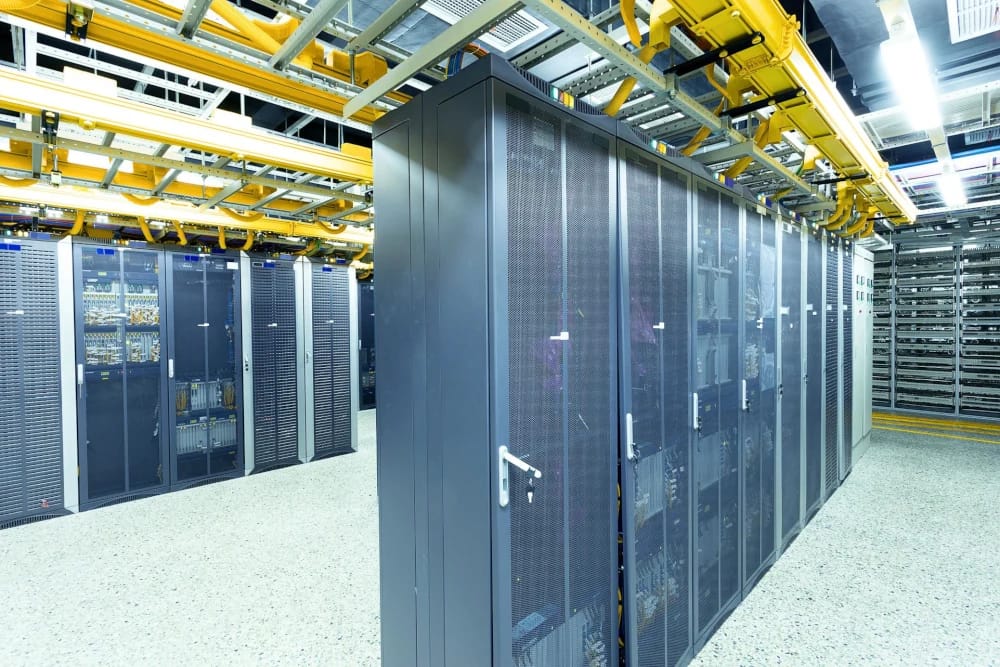
Raised flooring supports efficient cooling and cable management in server rooms and IT facilities.
Offices
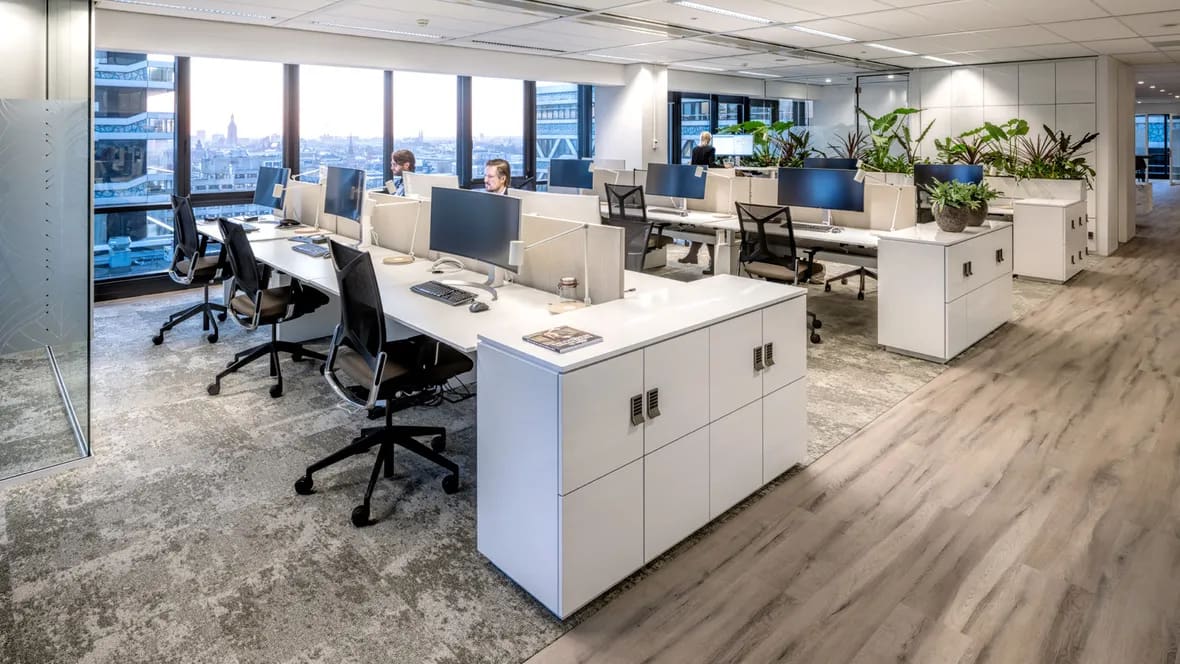
Corporate offices use raised floors to manage power and communication cables while maintaining a clean interior design.
Control Rooms
Control rooms and command centers require organized cabling and easy equipment access.
Telecommunication Facilities
Raised floors support the complex wiring infrastructure required in communication centers.
High Load Capacity Flooring
Raised floor panels are designed to support heavy equipment loads while maintaining structural stability. This makes them suitable for environments such as server rooms, laboratories, and technical facilities where equipment weight and performance reliability are critical.
How a Raised Access Floor System Works
Raised access flooring systems create an elevated structural floor above the building slab using adjustable steel pedestals and modular floor panels. This design creates an accessible void beneath the floor surface that allows electrical wiring, data cables, and air distribution systems to run freely without interfering with the usable space.
The modular panels can be easily removed, providing quick access to building services for maintenance, upgrades, and reconfiguration of technical infrastructure.
Raised Floor System Components
Main Parts of a Raised Floor System
1. Floor Panels These are the removable tiles that form the walking surface. Panels are usually 600×600 mm modular tiles made from steel, aluminum, or reinforced materials.
2. Pedestals Adjustable steel supports that hold the panels above the structural slab and allow the floor height to be precisely leveled.
3. Stringers Horizontal steel bars that connect pedestals and improve structural stability and load resistance.
4. Underfloor Plenum (Void Space) The space beneath the raised floor where cables, electrical wiring, air distribution, and building services are installed.
5. Structural Slab The original concrete floor of the building that supports the raised floor system.
Raised Floor System Components
A raised access floor system consists of modular floor panels supported by adjustable pedestals and steel stringers. This structure creates an accessible void beneath the floor surface, allowing electrical wiring, data cables, and air distribution systems to be routed efficiently. The removable panels provide quick access for maintenance and future modifications, making raised flooring ideal for offices, data centers, and control rooms.
Faq Raised Floor System
What is the purpose of a raised floor?
A raised floor creates a hidden space beneath the floor surface to route cables, ventilation systems, and building services.
Where are raised floors used?
They are commonly used in data centers, offices, control rooms, laboratories, and technology facilities.
Are raised floors strong enough for heavy equipment?
Yes. Raised access flooring systems are designed to support heavy equipment loads and high foot traffic.