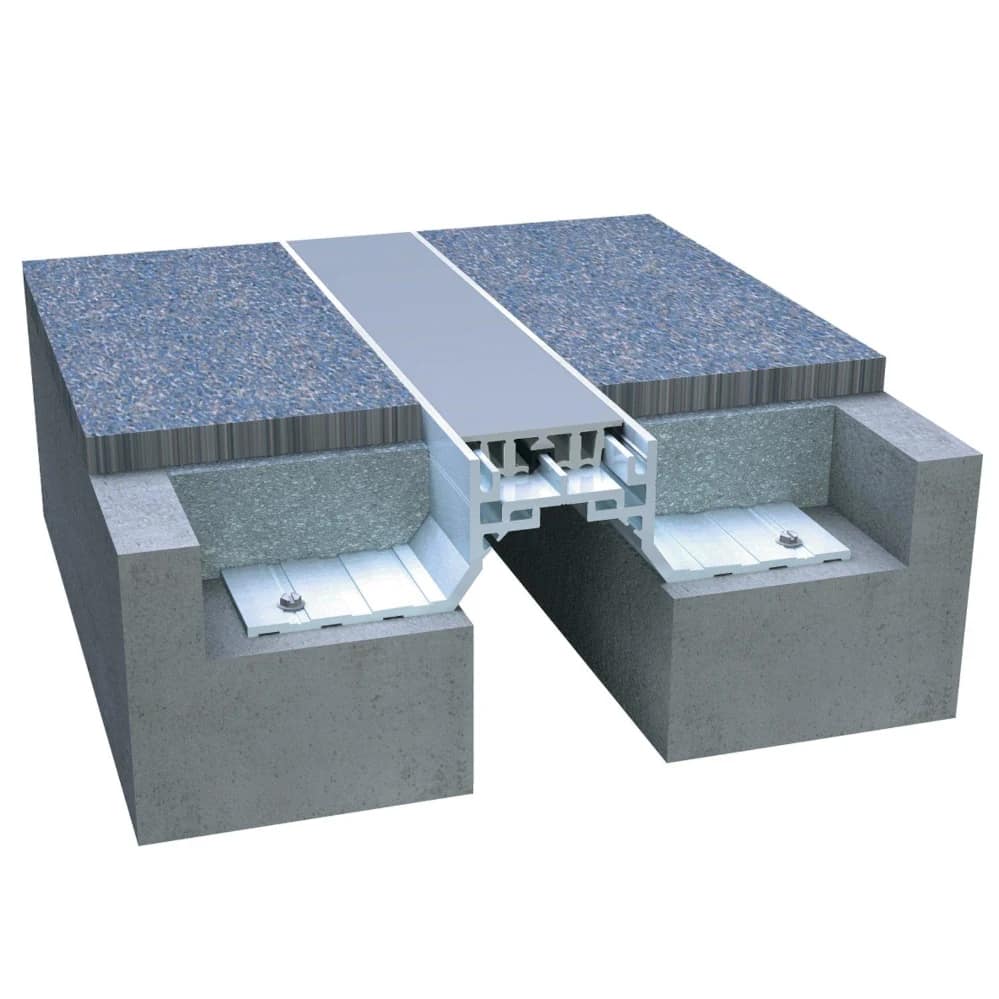
Expansion joint installations in Libya

Raised floor systems offer a flexible solution for modern buildings, creating an elevated floor space that allows for the extension of cables, air distribution systems, and mechanical services below the floor surface.

Dar Libya supplies and installs high-performance raised floor systems, specifically designed for offices, data centers, control rooms, and technology environments, where accessibility, durability, and resilience are critical factors.

What are expansion joints?

Expansion joints prevent cracking caused by temperature changes and structural movement, Expansion joints are gaps or separations intentionally designed within structures to allow movement between building sections. These joints help prevent stress buildup caused by thermal expansion and contraction.

Expansion joints are essential elements that allow buildings and structures to safely expand and contract due to temperature changes, movement, and stress. Without proper expansion joints, cracking and structural damage can occur.

At Dar Libya, we offer high-quality expansion joint solutions designed to ensure durability, safety, and long-lasting performance.

Our services

Daar Libya services related to expansion joints

Supply of expansion joint materials
Installation of building and bridge joints
Floor and wall joint systems
Waterproofing solutions
Maintenance and repair services

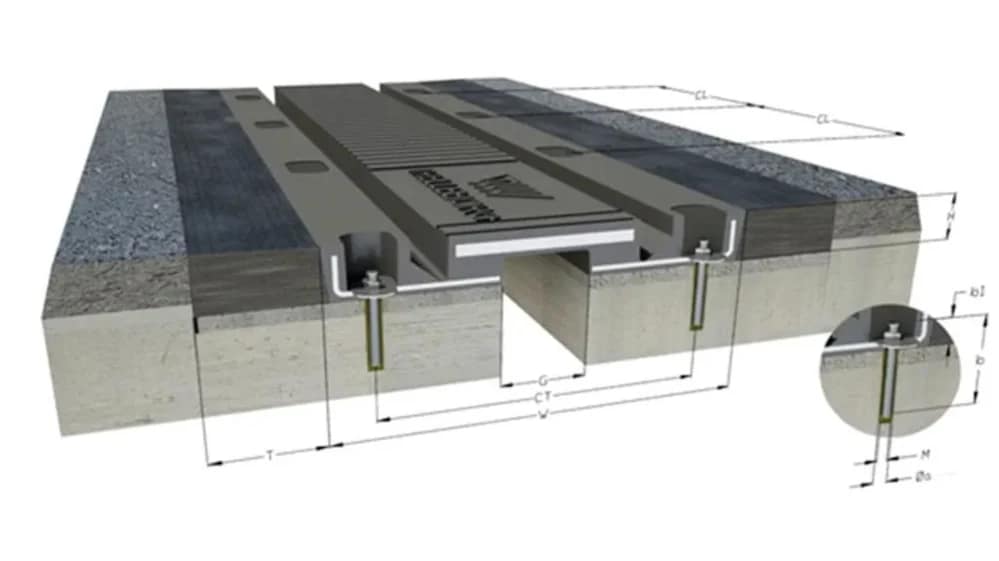
Bridge expansion joints

Specialized systems for infrastructure projects, designed to handle heavy traffic loads and large ranges of movement.
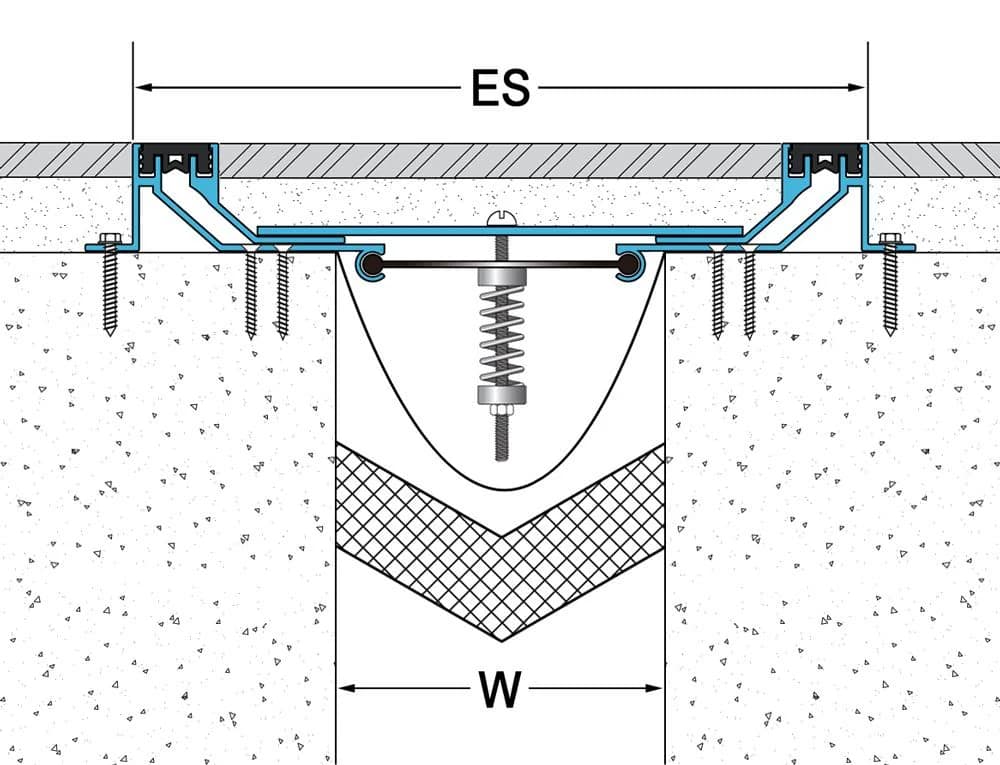
Tile/crack control systems

Used in industrial flooring to control shrinkage cracks and extend slab service life by allowing control of
Kinesis systems

Designed for areas with high structural movement, providing enhanced flexibility and durability.
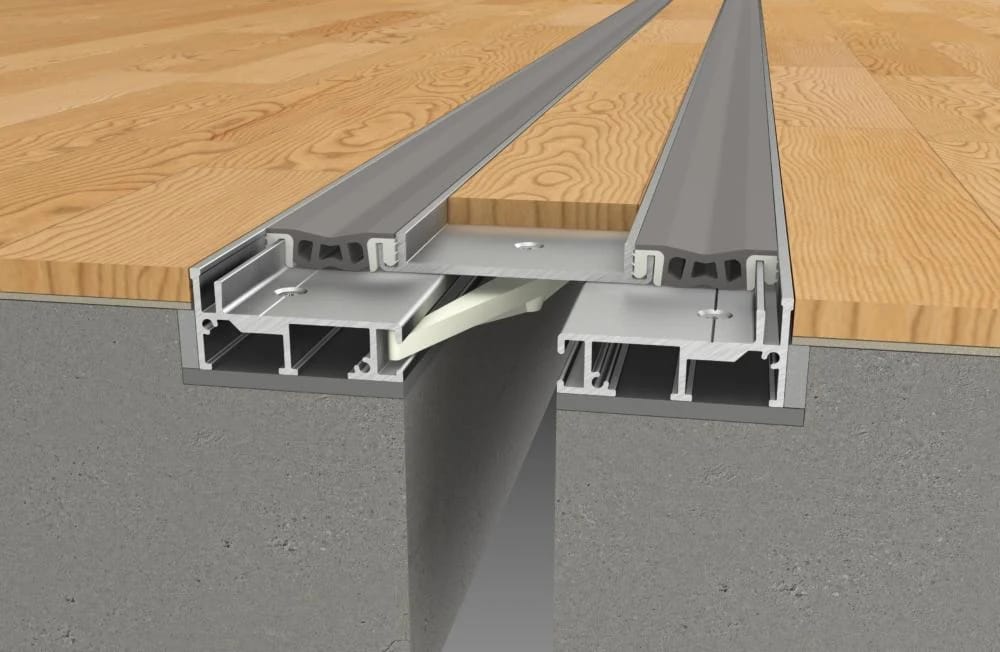
Features of expansion joints

These sections are used in floors, walls, and ceilings to cover expansion gaps and ensure structural integrity. The selection of these sections is based on the joint width, load conditions, and finishing type.

Materials Used in Expansion Joints

Expansion joints are made from various materials such as aluminum, rubber, steel, and elastomeric compounds, depending on the application and load requirements.

Why choose Dar Libya?

Experienced engineering team
High-quality imported materials
Solutions tailored to Libya’s climate
Fast project completion
Competitive prices

Expansion joints are essential components in modern construction, designed to absorb movement caused by temperature changes, structural shifts, and environmental factors. They play a critical role in preventing cracks and maintaining the integrity of buildings.

Expansion Joints in Buildings: Types, Uses, and Benefits

Expansion Joints for Libya’s Climate

considering Temperature range in libya , Prevents cracking due to thermal movement  ,Protects buildings from long-term structural damage  ,The space under the floor can be used to efficiently distribute conditioned air in offices and data centers.

Performance characteristics

High-quality expansion joint systems typically feature:

The ability to expand and bend to accommodate multidirectional movement; resistance to heavy traffic loads (from vehicles and pedestrians); corrosion resistance and a long service life; reduced noise during movement or vehicle passage; and ease of maintenance and component replacement.

Some systems also include integrated drainage solutions and waterproofing properties to enhance performance in exposed conditions.

Materials and system components

Typical expansion joint systems consist of:

High-strength, load-bearing aluminum or steel sections.

Rubber sealing elements (rubber, ethylene propylene diene monomer, neoprene) to provide flexibility and waterproofing.

Anchor systems (bolts, chemical fasteners) to secure the joints to the structure.

Optional drainage channels and fire barrier components.

For example, the aluminum systems developed by Arvin combine high-strength aluminum sections with hermetically sealed rubber gaskets that are resistant to chemicals, UV radiation, and other environmental factors.

Our expansion joint installation process

Site inspection and assessment

(Selection of appropriate connection type)
Surface preparation and cleaning
Professional installation using high-quality materials
Final inspection and quality assurance

Organized Underfloor Wiring

Easy Maintenance

Improved Airflow

High Load Capacity

اعتبارات التصميم

The selection of an expansion joint system depends on the following:

Expected range of motion (e.g., ±20 mm to ±80 mm or more)
Type of load (pedestrian vs. heavy vehicle traffic)
Environmental exposure (indoor, outdoor, chemical exposure)
Joint location (floor, wall, ceiling, beam)
Waterproofing and leakage requirements
Ease of access for maintenance

Proper design ensures long-term durability and prevents costly repairs.

Expansion joints are essential engineering systems that ensure structural integrity, durability, and user safety. By adopting standard solutions similar to those developed by Arvin, projects can achieve reliable performance, efficient installation, and long-term protection against structural movement and environmental impacts.

Applications

Expansion joint systems are widely used in:

Commercial buildings (shopping malls, hospitals, offices)
Industrial facilities and warehouses
Parking lots and ramps
Bridges and infrastructure projects
Roofs, balconies, and wet areas

Heavy-duty systems are specifically designed for high-load environments, such as factory floors and transportation infrastructure.

المواصفات الفنية لوصلات التمدد

تشمل أنظمتنا

Movement range: ±10 mm to ±100 mm
Materials: Aluminum, stainless steel, rubber, polyvinyl chloride (PVC)

Waterproof systems available
Fire-resistant options available
High load capacity for high-traffic areas

Types of expansion joints

Floor expansion joints
Wall expansion joints
Bridge expansion joints
Earthquake-resistant expansion joints
Rubber expansion joints for industrial use

Each type is selected based on the structure’s movement, load requirements, and environmental conditions in Libya.

Rubber expansion joints for industrial use

seismic expansion joints

Wall expansion joints

High endurance

Frequently asked questions about expansion joints

What is the purpose of expansion joints?

Expansion joints allow buildings and structures to expand and contract as a result of temperature changes, preventing cracks and structural damage.

Yes, given the high temperature fluctuations in Libya, expansion joints are essential to protect concrete and steel structures.

With proper installation, expansion joints can last from 10 to 20 years depending on the materials and usage.

Yes, Dar Libya Company offers inspection, repair and replacement services for damaged expansion joints.